CURATIONS​

When I saw how deeply artists and activists align in mindset and values, I felt I had to act. Both are driven for meaning, love to redefine, question existing systems, and look beyond the self. Through the Didan Collective program, I became a curator. In 2024–2025, I brought two participatory group exhibitions on climate, learning everything—from venues to themes to installation—from scratch. 


I came to see that public-interest curator is a strangely delicate role: accountable to audiences, to the coherence of the works, and to a sense of public meaning beyond self-expression. These tensions seem irreconcilable, yet they’re exactly what makes the role so fascinating.
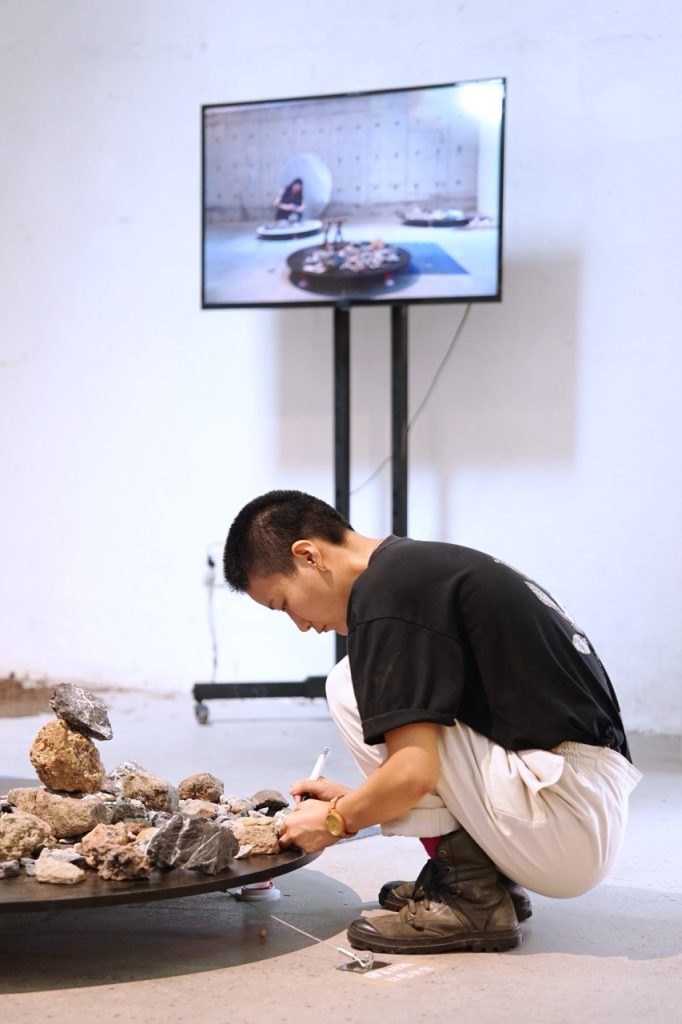
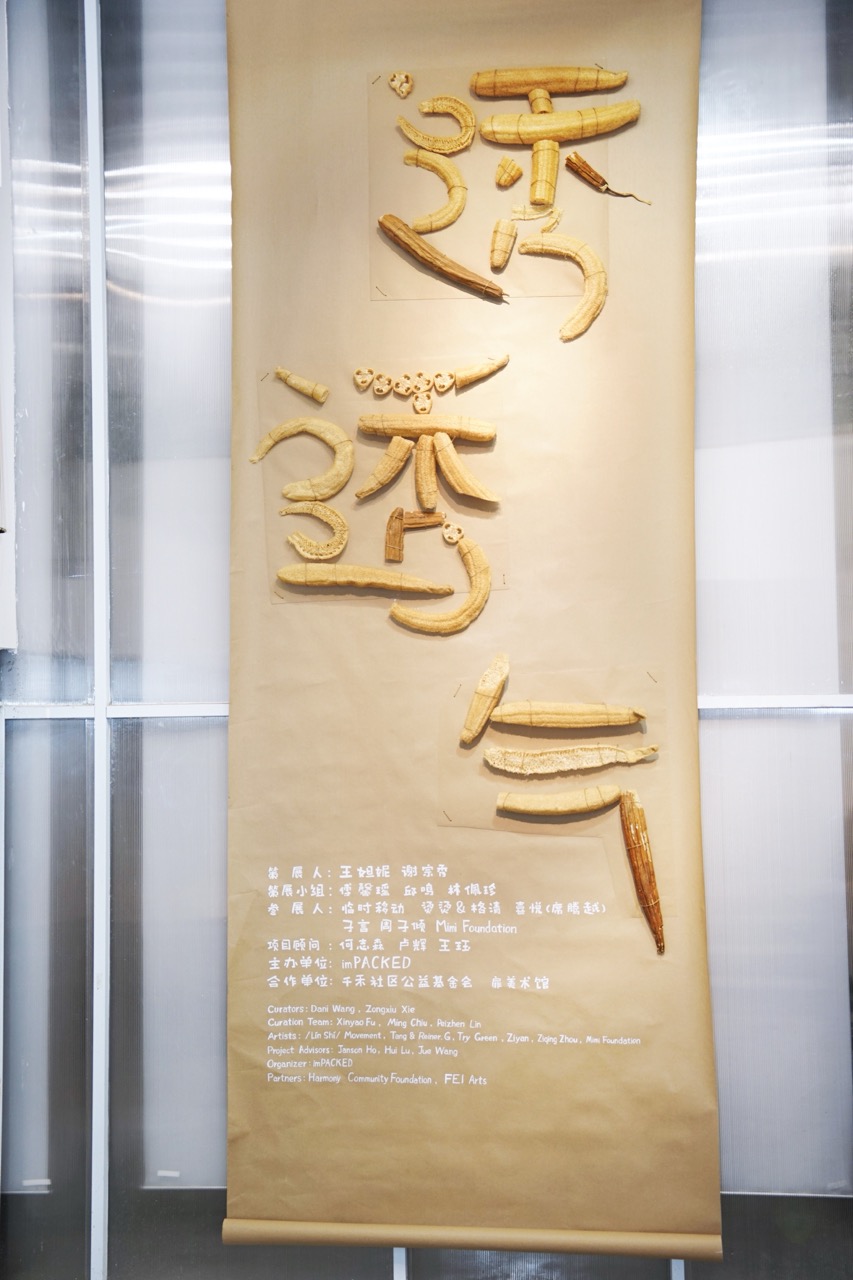
Photo credit: Ludan

Trans-Pore (2025)

The climate crisis today is no longer distant but felt in our bodies and minds: pollen clogs the nose, heatwaves seal the pores, fine particles seep into the lungs, and anxiety multiplies in the dark. In these situated, everyday experiences, we sense the vulnerability of being human—caught by the vastness of our smallness, slumping in resignation, weary of the very word “change”.

In an era where ideology has hardened into concrete, crossing boundaries and resisting powerlessness are themselves acts of risk. Yet thought is, by nature, Trans-Pore. Looking around, we do not bear this alone—the illness of humans is also the illness of wind, of soil, of earthworms, of buildings, of cities. They interweave and rub, passing through each other at their thresholds, forming new relations and force.

We cannot cure a vast, systemic sickness overnight. But when we name this reality as a “shared illness”, then through folk wisdom, thought experiments, and interspecies empathy we can push the edges, find room to breath, and catch a glimmer of light. A pore is both an exit and an entrance. Through it, we try—to invite the wind back, to loosen the soil, to let rooftops breathe, and to let bodies meet within the cracks.

Duration: 2025.9.28-11.09

Venue: FEI Arts, No.9 Building, 2nd Street, TongChuangHui, Haizhu District, Guangzhou China

Curators: Dani Wang, Zongxiu Xie

Curation Team: Xinyao Fu, Ming Chiu, Peizhen Lin

Artists: /Lín Shí/ Movement, Tang & Reiner.G, Try Green, Ziyan, Ziqing Zhou, Mimi Foundation

Project Advisors: Janson Ho, Hui Lu, Jue Wang

Organizer: imPACKED

Partners: Harmony Community Foundation, FEI Arts

Exhibited Piece 01
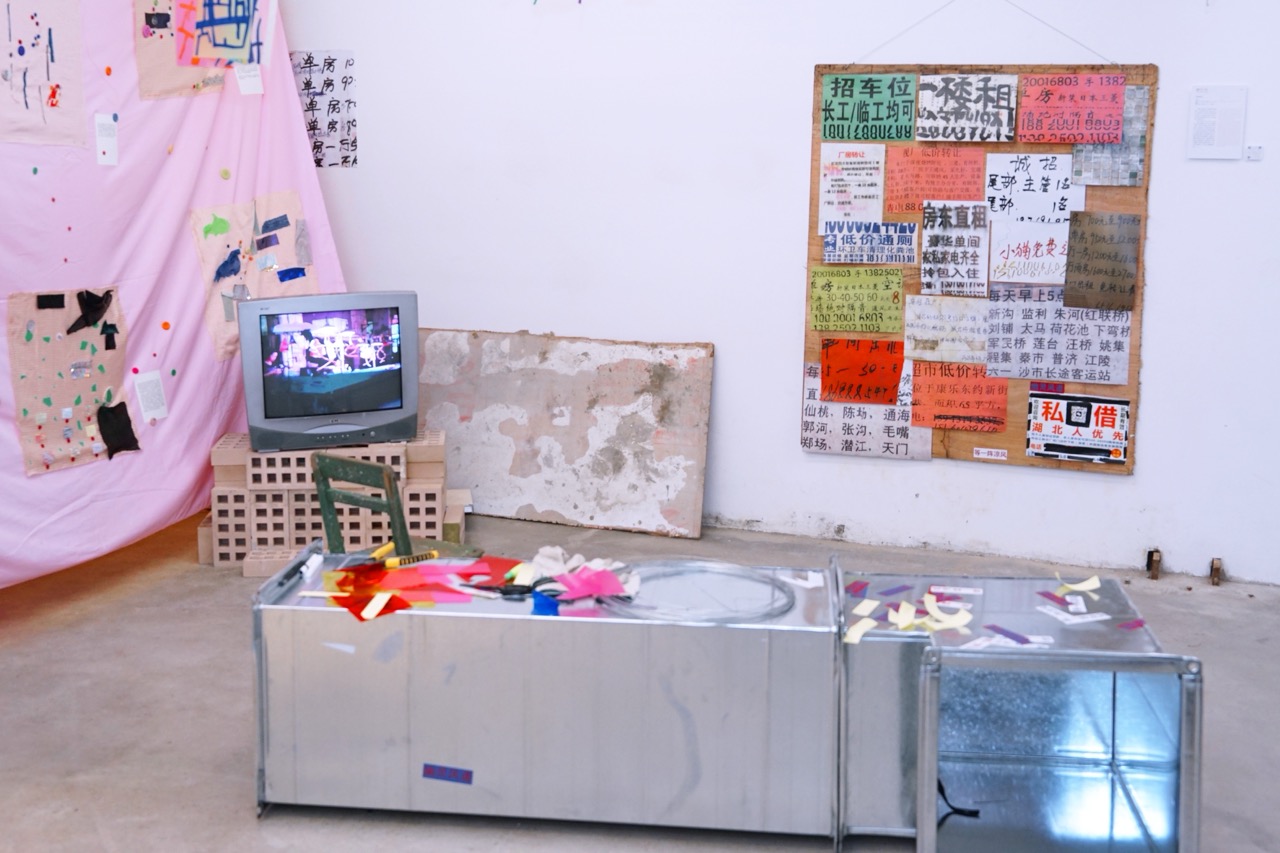
Artist: /Lín Shí/ Movement
Ghost Wind Corridor
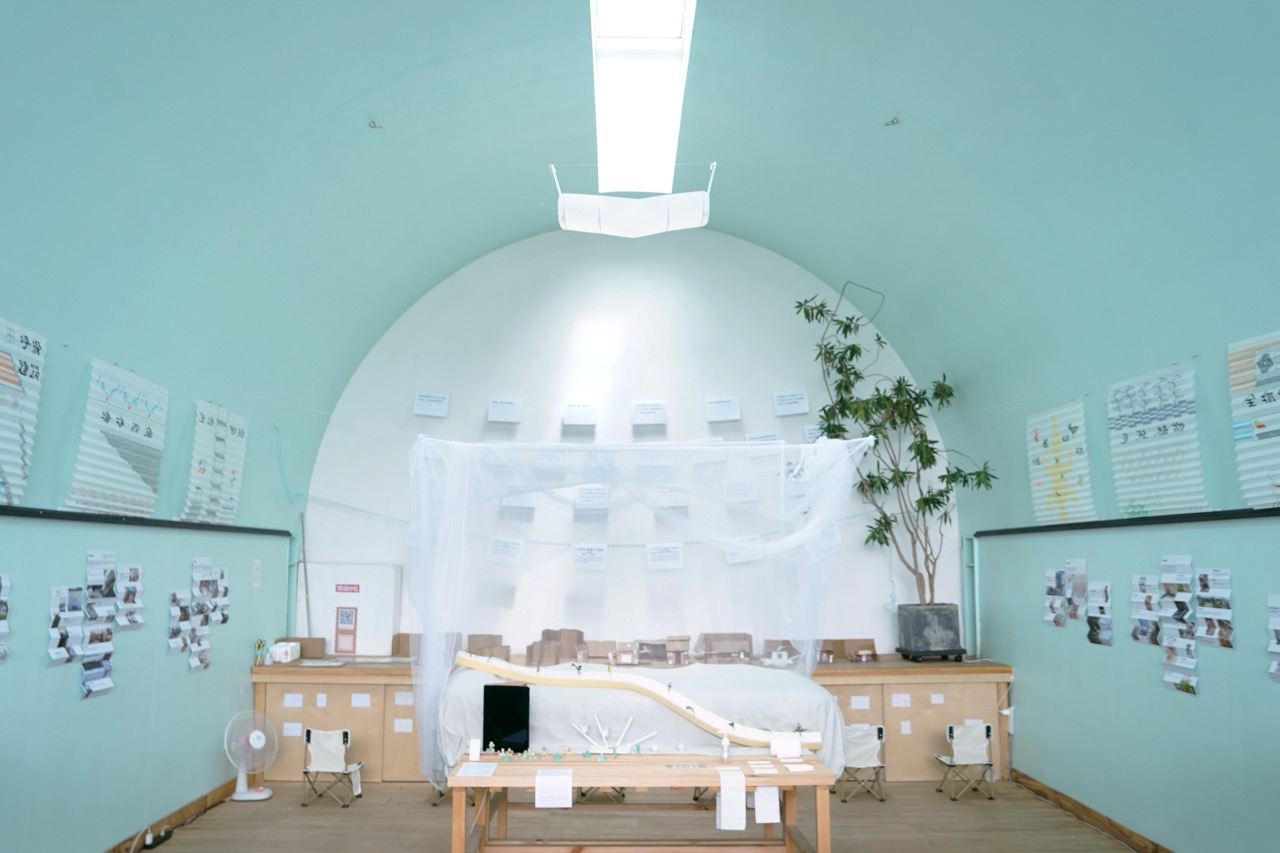
This is a multimedia art practice and social research project, set in the “urban villages” of China’s megacities. It seeks to capture and translate an invisible yet bodily felt presence—the turbulent air currents that, at times intense and at times stagnant, weave through the narrow gaps between “handshake buildings”. We call this presence the Ghost Wind Corridor.
 
Through participatory workshops, sensory installations, moving images, and cartographic experiments, the project liberates “wind” from abstract data, allowing it to be touched, heard, and remembered. In doing so, it asks: under the shadow of global climate change, how does urban form translate into a cost borne by the health of its residents? The Ghost Wind Corridor represents the convergence of spatial inequality and climate crisis. In the sweltering summers, poor ventilation traps pollutants—conditions intensified by increasingly frequent extreme weather. These forces exert direct pressure on both the physical and mental health of those who live within. We invite the public to use their bodies as measure, to re-examine the spaces they inhabit, and to open dialogue on urban planning, climate justice, and collective well-being.
 
Participants: Jieyu Deng, Ella, MIKI, William, Lingzhi, Song, Hester Yang
Research Support: Chun、Jiyi Space

Exhibited Piece 02

Artist: Mimi Foundation
Elephant Park
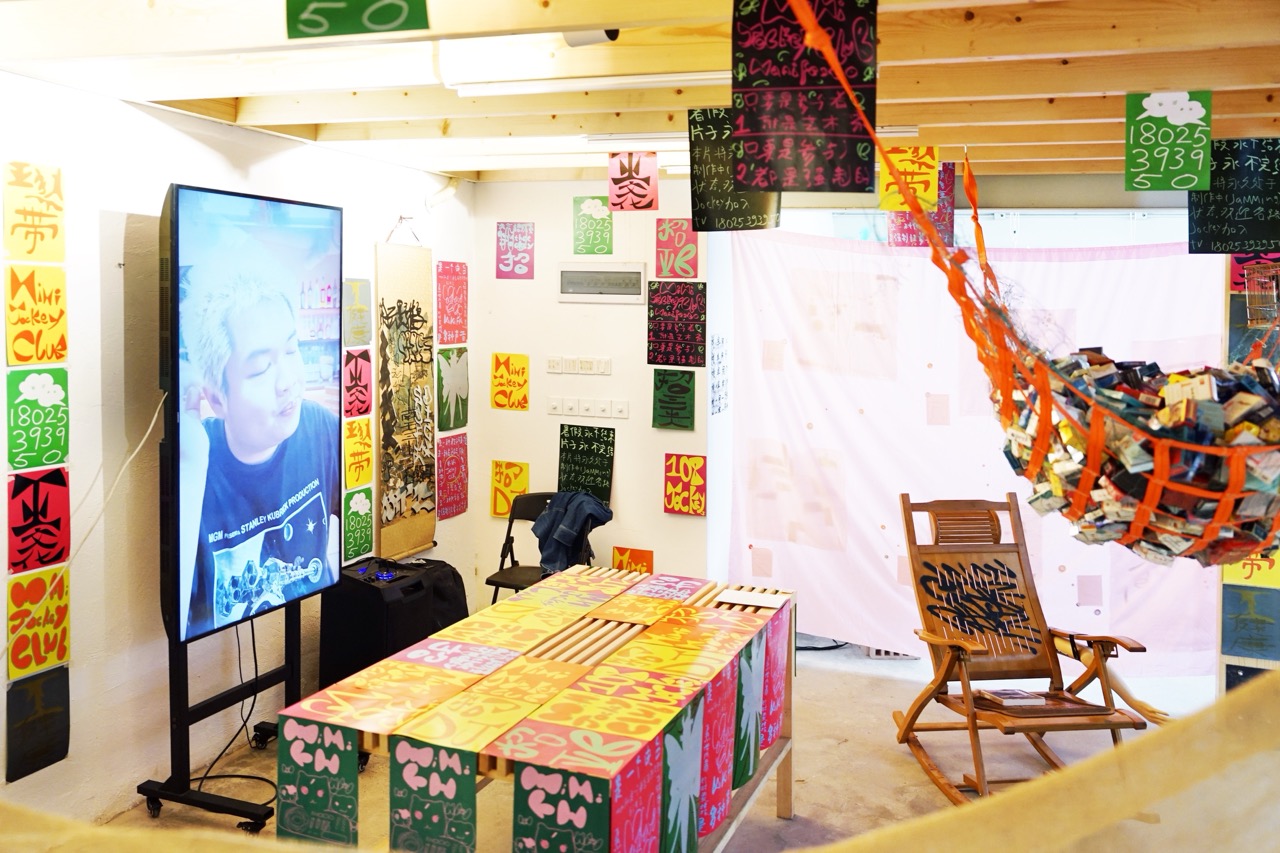
This is a youth B-movie shot entirely on phones, in raw first-person perspectives. The cast consists of subcultural youth living in the subtropical monsoon zone, who are always sub-healthy. Scientists might refer to them as a “vulnerable population”, trapped in a harsh climate. Black rain, mosquito fever, and heatwaves—each new alert hits their nerves, disrupting their daily lives. However, they’re not just sitting around waiting. They escape into subcultural romance, build small shelters, and create their own worlds. Coincidentally, back in 1976, the UK experienced a record-breaking summer—it was nearly unbearable, and punk culture was about to explode…
 
With an open-ended finale, this mobile epic is produced through co-creation, inviting 108 co-creators in a B2B format to plug in, mixing real-time weather, sub-health states, subculture snapshots, and all the chaos and beauty of everyday life under the subtropical skies. Tune in to our virtual station, Mimi FM, to submit your clips or collaborate with us. We are always recruiting new Jockeys.

Participants: baobaobaobao1457, Amon, CATermillar, QIJIAYAN, Dani, Keke, Low; Label: M2H ; Club: CaveCave

Exhibited Piece 03
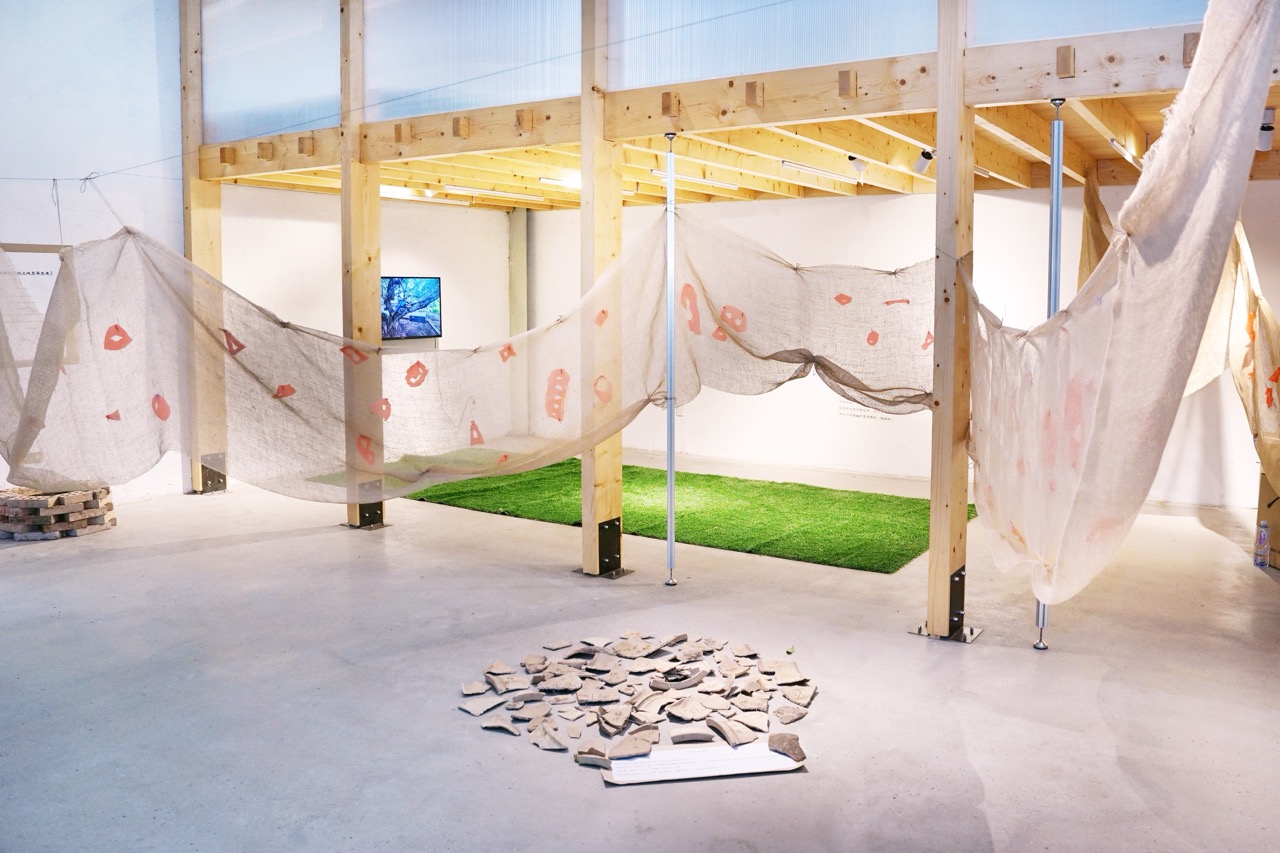
Artist: Ziyan
Wriggle Like an Earthworm
As the Situationist International once declared: “Sous les pavés, la plage” — “Beneath the paving stones, the beach”.
The earthworm’s wriggle is the wave underground.
 
They appeared long before dinosaurs and humans, toiling silently for hundreds of millions of years. Loosening soil, gnawing on humus, excreting — with the power of their movement and digestion, they reshape the land, enriching it.
 
Now, when you look down, you see a phone screen, your toes, concrete pavement, or a thin layer of topsoil.
Close your eyes, and imagine the undulations beneath your feet — sometimes deep, sometimes shallow, faint or forceful. Under the double assault of heavy rains and heatwaves, mass deaths of earthworms are not rare. In drought, they retreat vertically, burrowing into deeper layers of soil, seeking what little groundwater remains, slipping into estivation, waiting.
 
Below the surface, another, slower and more secret climate change is unfolding.
Health does not belong to humans alone, but to soil, water, and non-human life. Our breath, our food, our very dwelling are bound to their survival.
 
Partticipants: Wen Hui, Tonglen, Li Wei Wei, Aila, Xiao Jin, Finn, Gao Heng, Arie, Dani, PP

Exhibited Piece 04

Artist: Try Green
Wuchang Fleet
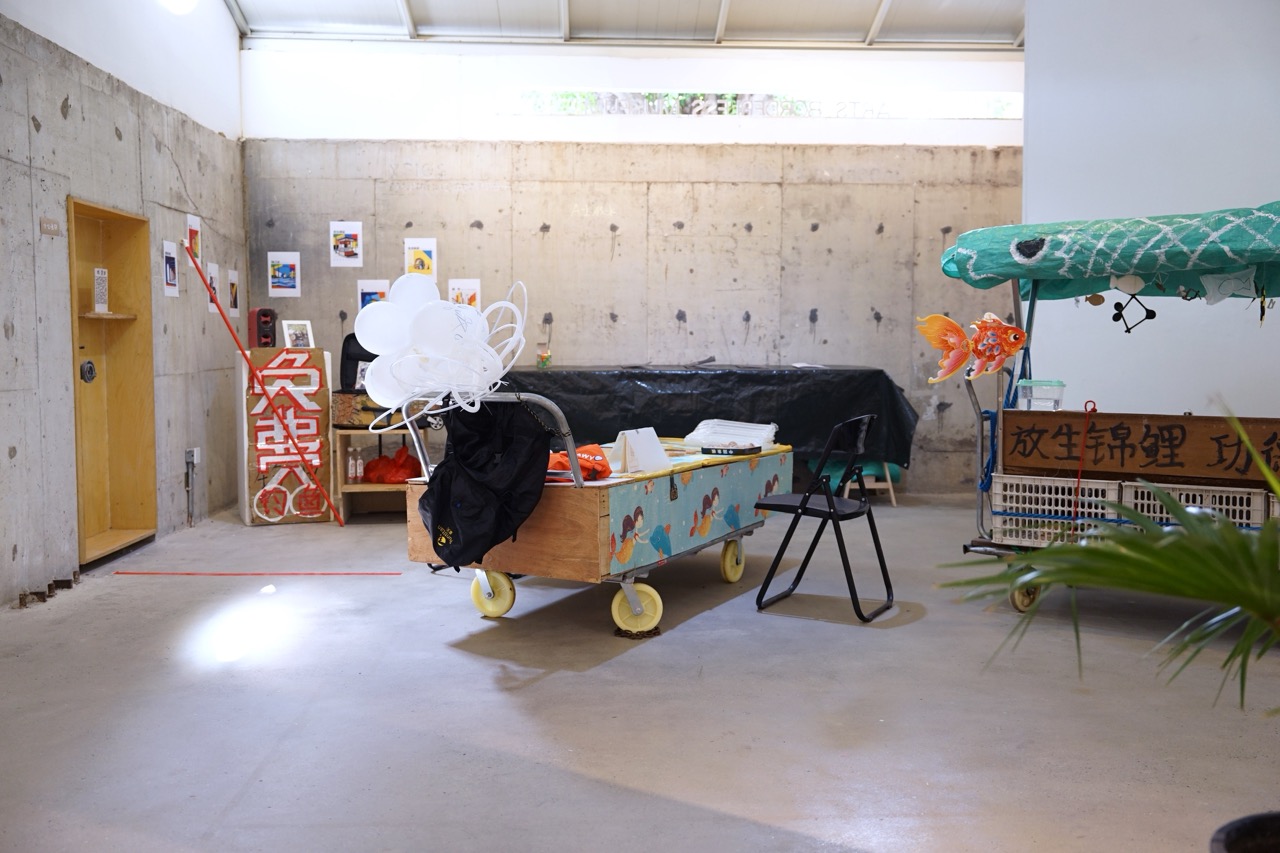
“Wuchang” embodies both climatic disorder and social upheaval—disasters, unemployment, separations, and isolation loom over us like colossal monsters that are hard to intervene in or empathize with. “In a future world ravaged by Wuchang Monsters, humanity huddles in comfort zones, forgetting narratives, imagination, and hope. The ‘Wuchang Fleet’ charges into the outdoors with the attitude of ‘practice more, and there will always be a way’.” The “Wuchang Fleet” is a role-playing experimental game initiated through an apocalyptic narrative, where 15 members from various walks of society transform into the fleet’s “anthropologists”, “adventurers”, “engineers”, “medics” and “shock troopers”, venturing outdoors to interview homeless individuals (street sleepers), and co-creating “little carts” to confront Wuchang—not merely physical outdoor vehicles, but metaphors for collective action, embodying multifaceted concrete imaginations of resistance, repair, and hope.
 
The exhibition site serves as a base camp for the returning fleet expedition, where visitors will witness stories, experiments, failures, and the frictions of collaboration, and be invited to reflect: when the world’s foundations are shaking, how can the proletariat reposition themselves amid Wuchang, cultivate new connections, and find the courage to continue collective progress in this practice of social relations.
 
Participants:
Blockbuster Squad: New, Archwlyu, Hao, Try , Baobao
Gale Squad: Snail, Nowmok, Prodicus, Monster, Chinki
Foodie Squad: Rhea, Lam, Yuki, Montagne, Leimenyi

Exhibited Piece 05

Artist: Ziqing Zhou
'A Low-Carbon Life in Seven Hands': Three Resolutions
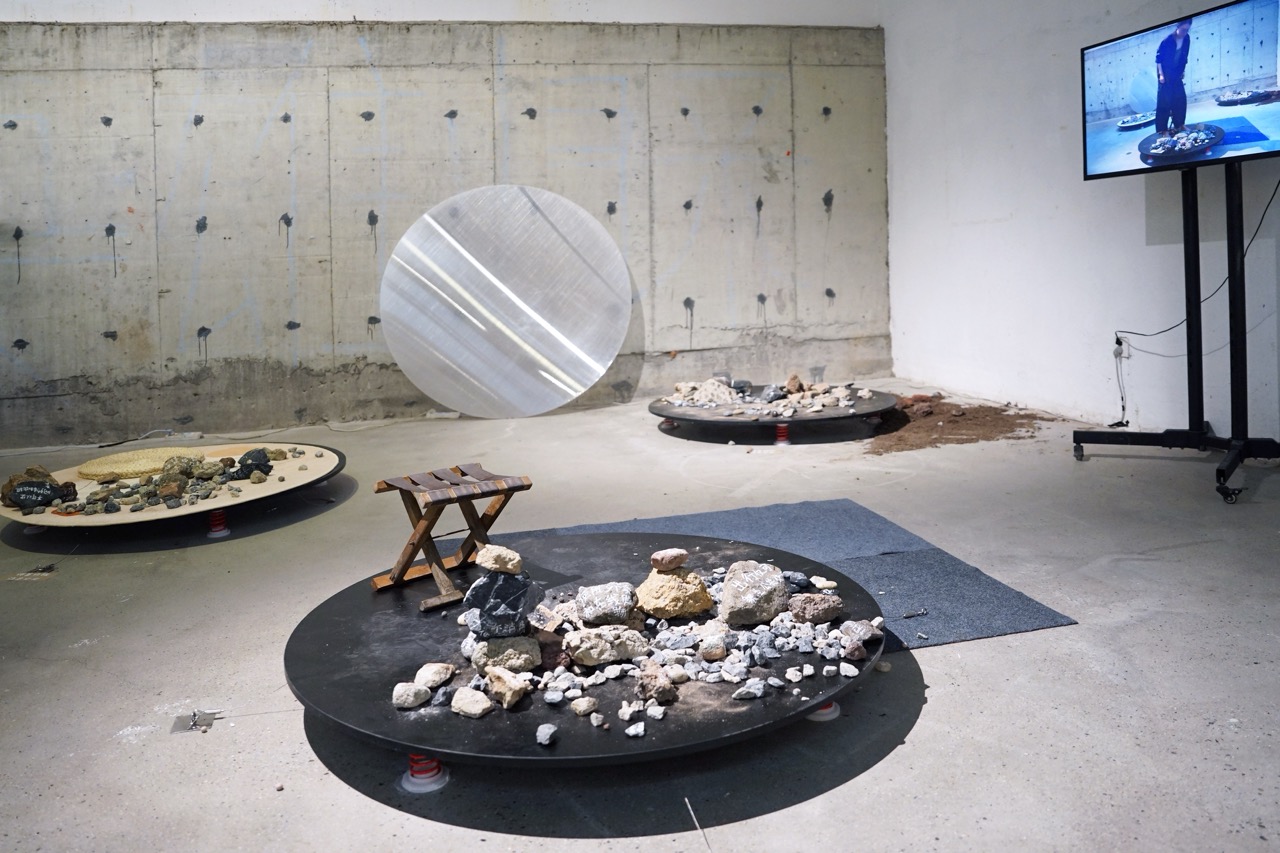
This work is a re-creation of the performance A Low-Carbon Life in Seven Hands (Ziqing Zhou, Performance, 2025, Shenzhen, China, 173 hours). It reflects on climate change and individual mental experiences, transforming the resolutions in performance art into a tangible site of accumulation. Using the metaphor of a “mani stone pile”, it highlights the struggle between ideals and reality. Participants in the performance art experience the ease of burden-free decision-making of others yet are repeatedly confronted with the flashbacks of powerless and ineffective realities. Likewise, the audience here becomes both witness and participant, encountering the challenges and the mental overwhelm of decision-making and action-taking through writing and stacking.
 
Through prayer-like piling, stone inscriptions resembling aphorisms, and the repetition of stacking and collapsing, the work embodies the emotional struggles faced by the public in the context of global environmental issues: rational recognition versus the frustration of reality, the pressure arising from the tension between individual responsibility and differences among us. In an age of frequent extreme weather, every “right” choice is like a stone, expected to be stacked as the foundation of the future, yet it continually collapses. Through this work, the artist questions and reflects: why in reality do ideals so often fall apart just as they are established?
 
Participants: hihi, Rebecca, Jemma, Peter, Archwlyu, Olive, Yaco

Exhibited Piece 06

Artist: Tang & Reiner.G
Next Door to the Sun
“Rooftop Community” is a virtual home closest to the sun, functioning as a mutual-aid network for rooftop residents across the Pearl River Delta and nearby regions. We seek to move beyond human-centered perspectives, treating weather, plants, animals, building materials, and human practices as equal “agents”. We reimagine the rooftop as the ecological interface where multispecies cohabitation, material flows, and embodied experiences intertwine, collectively weaving the complex networks of rooftop life.
 
Within this exhibition, the rooftop is presented through embodied climate narratives of “home, community, and ecology”. Its marginality and sensitivity—its connections to climate and ecological health—unfold from the micro-perceptions of individual bodies, to the localized experiences of community life, and further into the macro-ecologies of multispecies coexistence. Here, health is not an isolated human condition but a systemic ecology sustained through practices of co-living. Above concrete and steel, residents share their lives with the sun, wind, and rain—quietly fostering new conversations about weather, rooftop living, and the well-being of all beings.
 

Participants:

Byron, Atong, Buzi, Deb Wong, Xiaohuihui, Jiahui, Kkfad, Akennnnmg, Acidtar Lim, Lixiang, Eunice, Miaomiao, Xu, Malimumu, Orange, Qiheng, Ruifen, TouTou, VEE, Xiaozhi, Amy, Catherine, Yifang, Black, Ziyan, Eira (by the first character of the Chinese names). With sincere gratitude to the 109 Rooftop Community residents for their support!

///

Photo Credit: Ludan

Warming in Parts (2024)

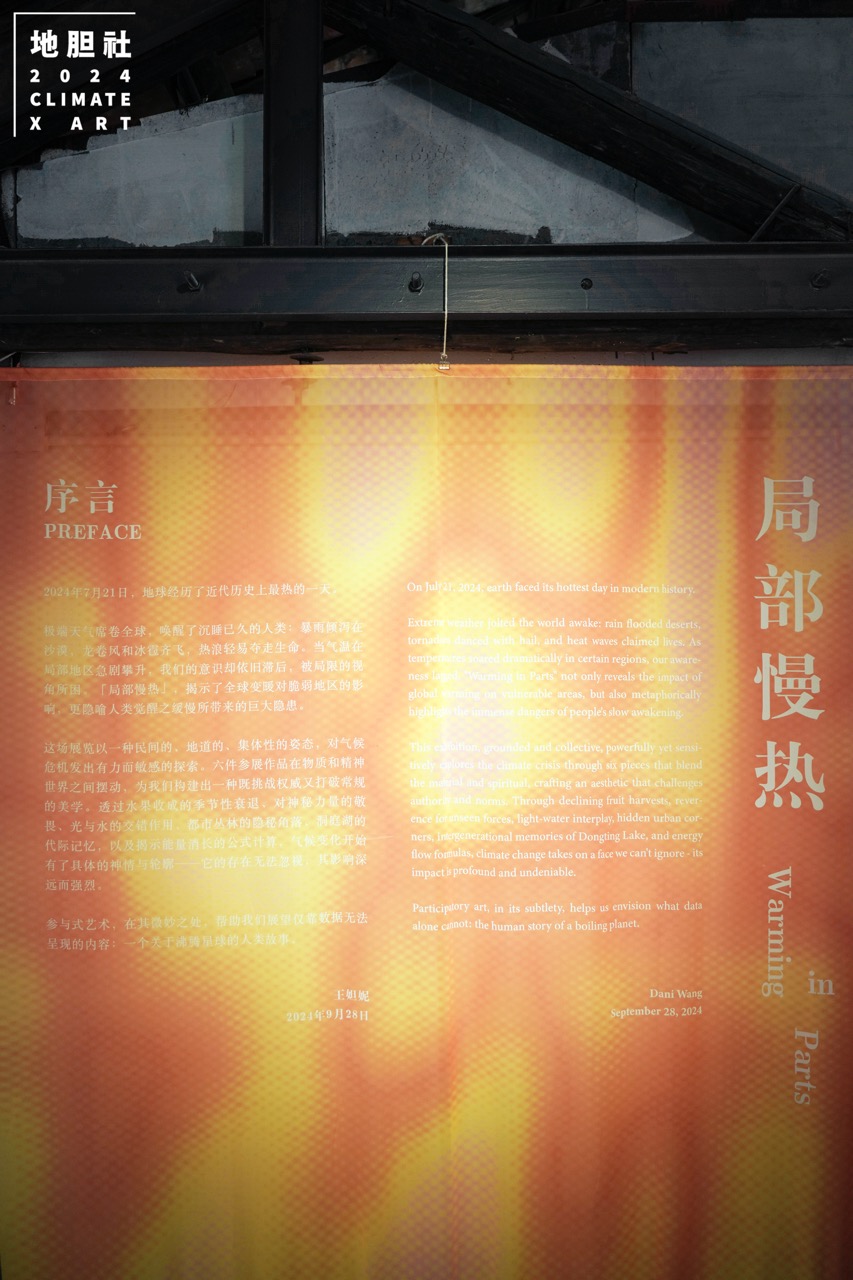
On July 21, 2024, earth faced its hottest day in modern history. Extreme weather jolted the world awake: rain flooded deserts, tornadoes danced with hail, and heat waves claimed lives. As temperatures soared dramatically in certain regions, our awareness lagged. 

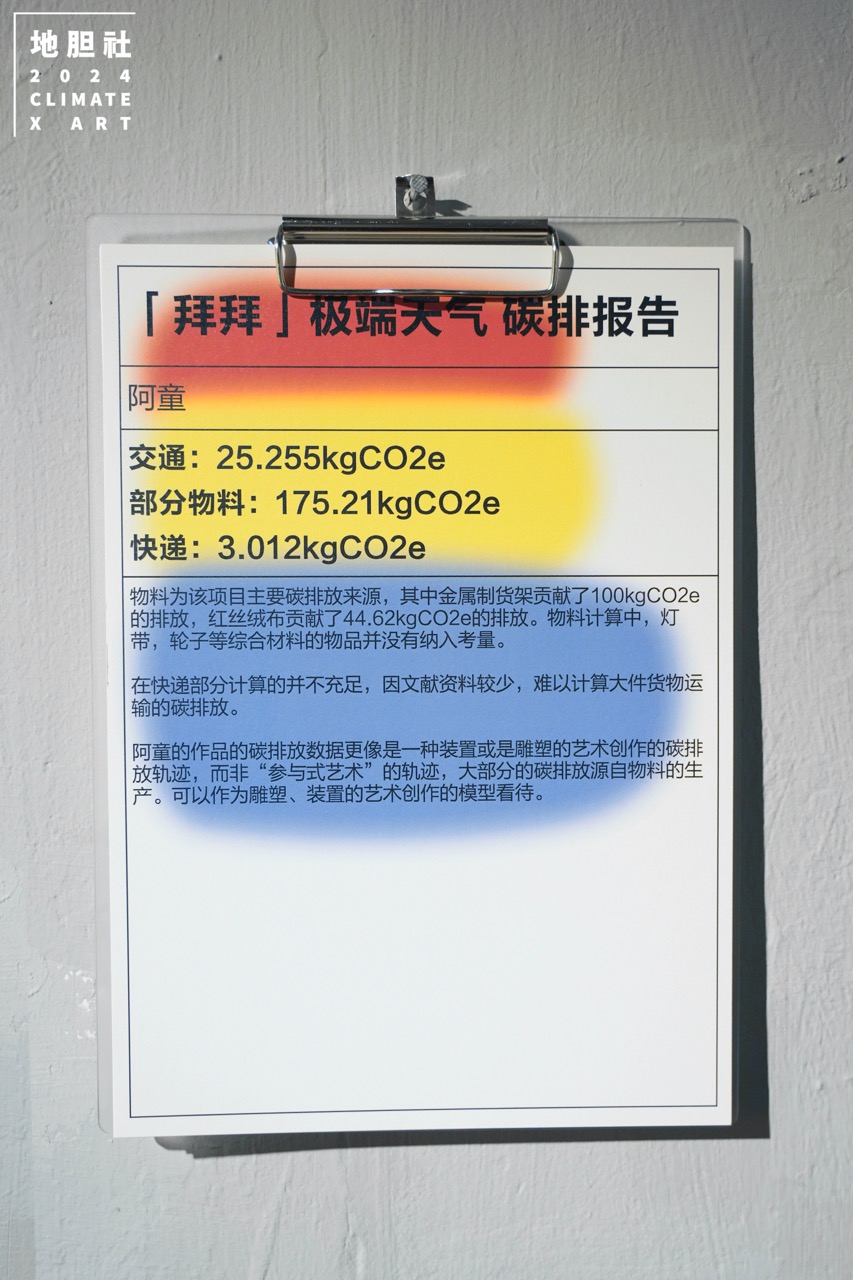
“Warming in Parts” not only reveals the impact of global warming on vulnerable areas, but also metaphorically highlights the immense dangers of people’s slow awakening. This exhibition, grounded and collective, powerfully yet sensitively explores the climate crisis through six pieces that blend the material and spiritual, crafting an aesthetic that challenges authority and norms. 

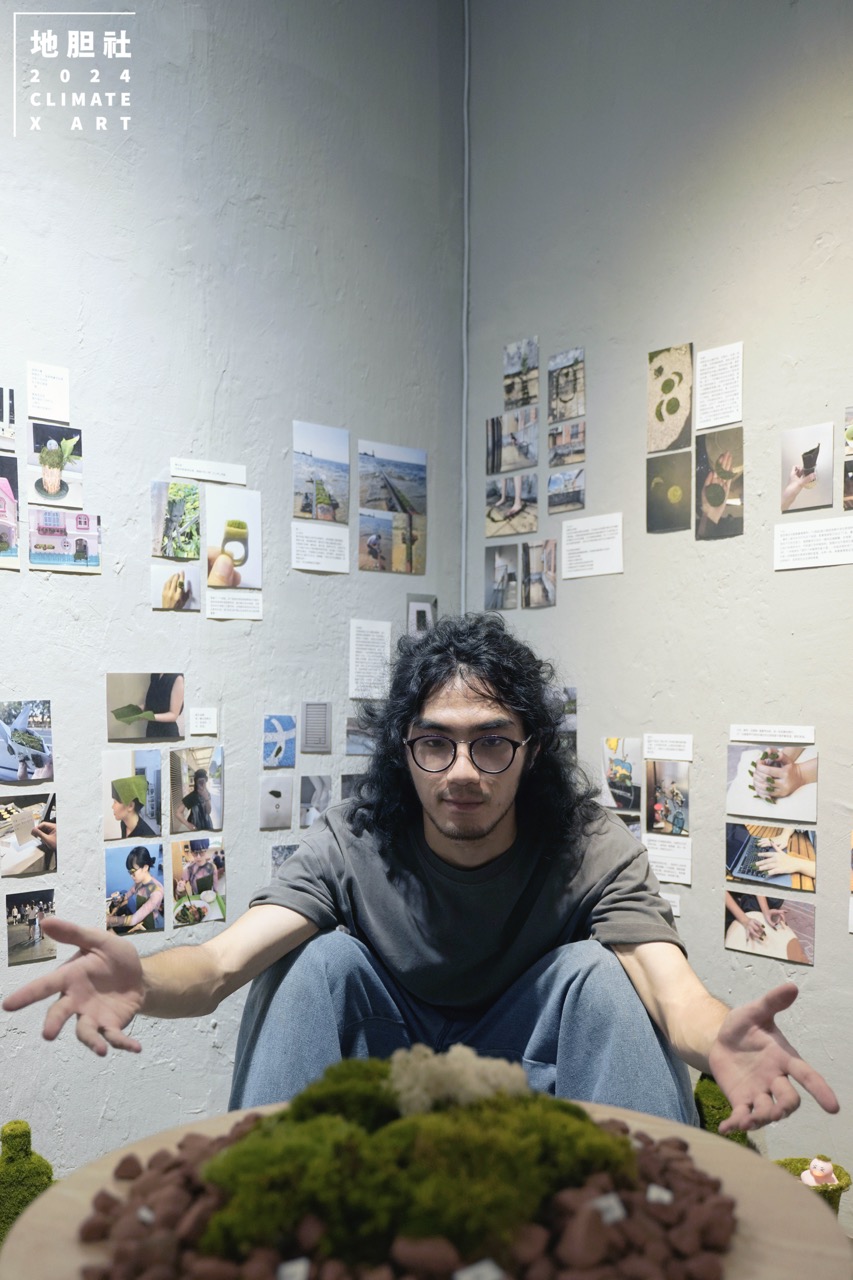
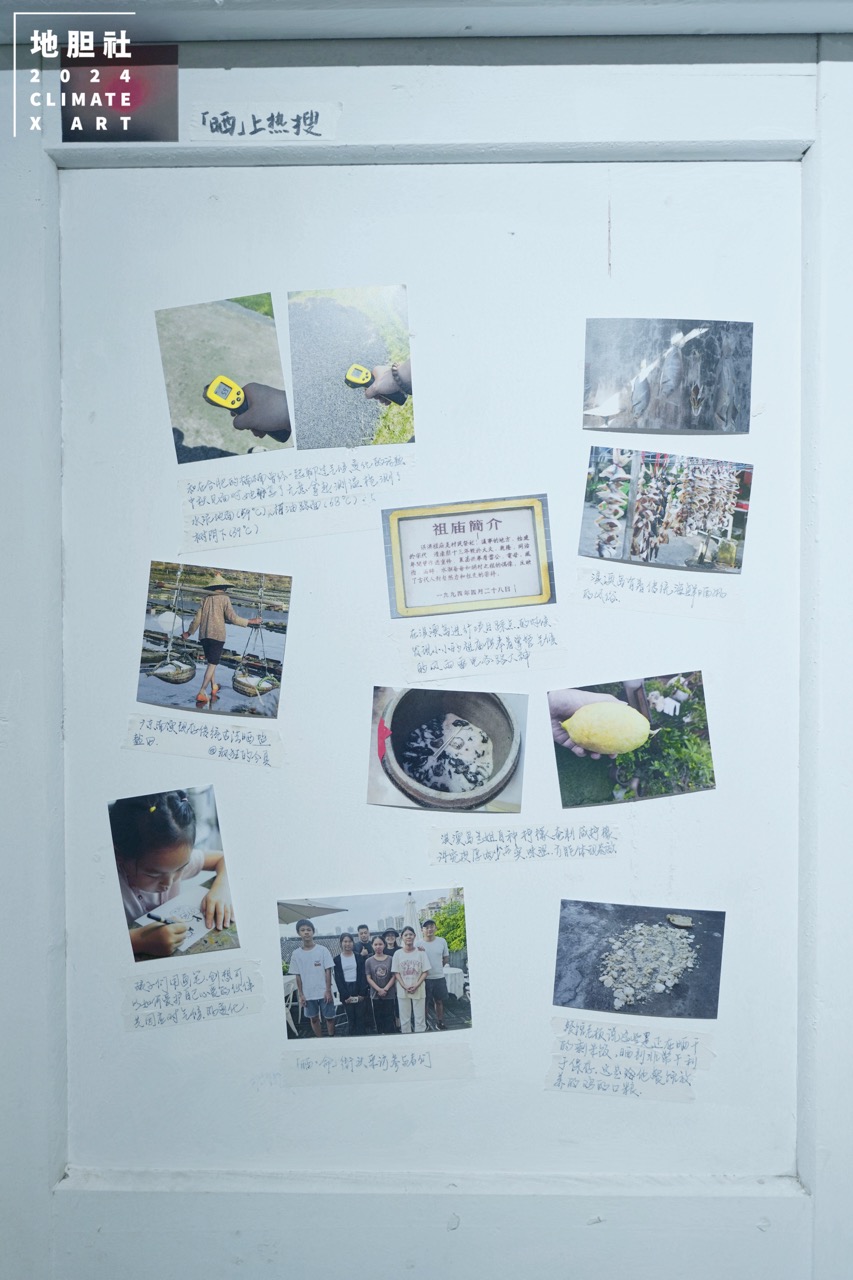
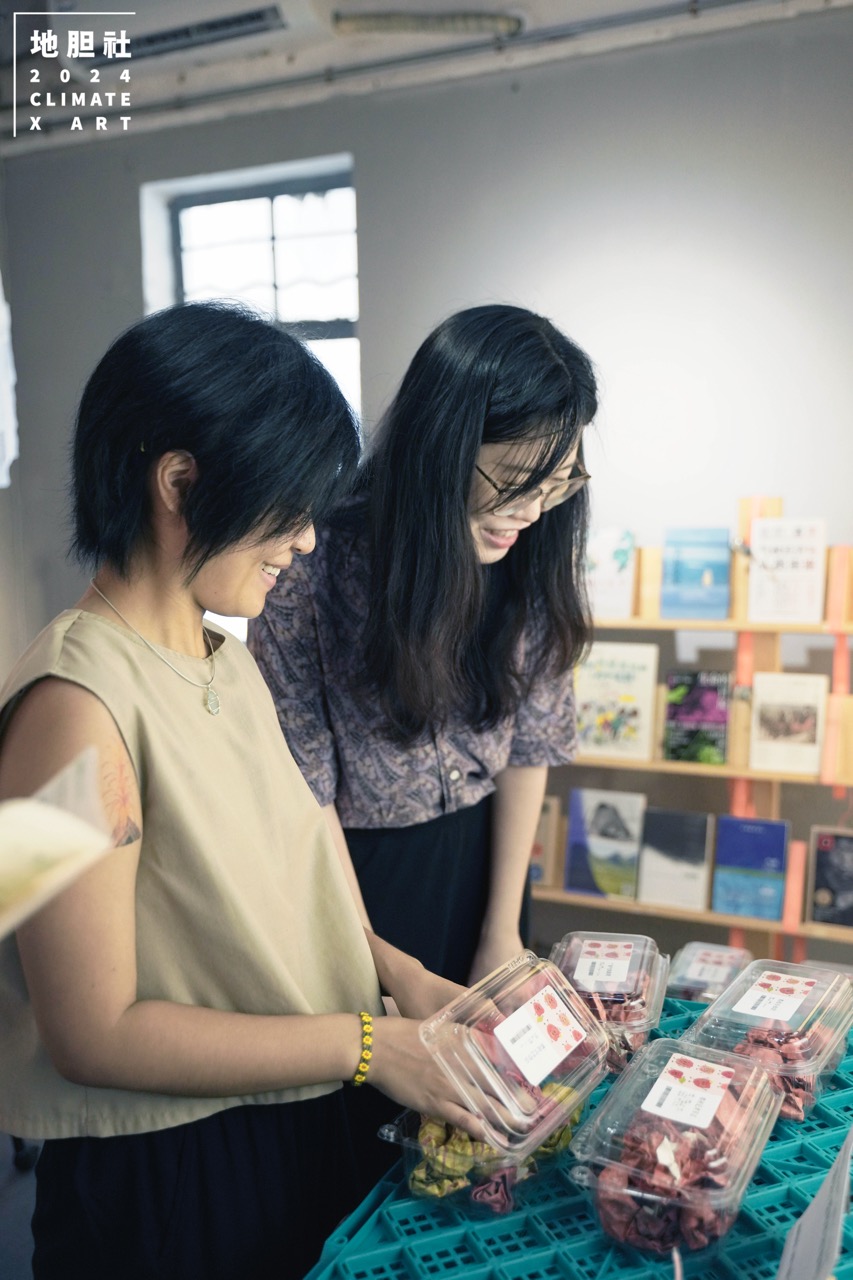
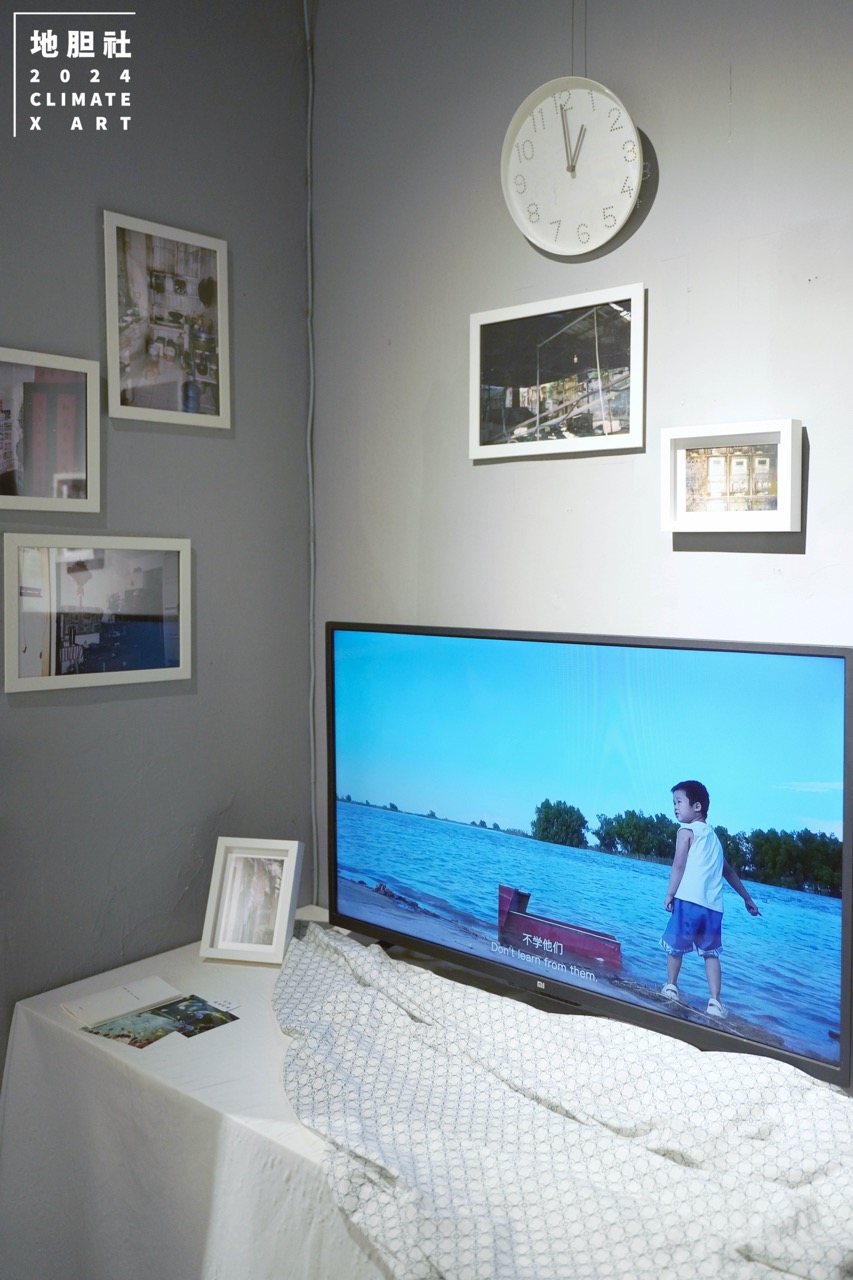
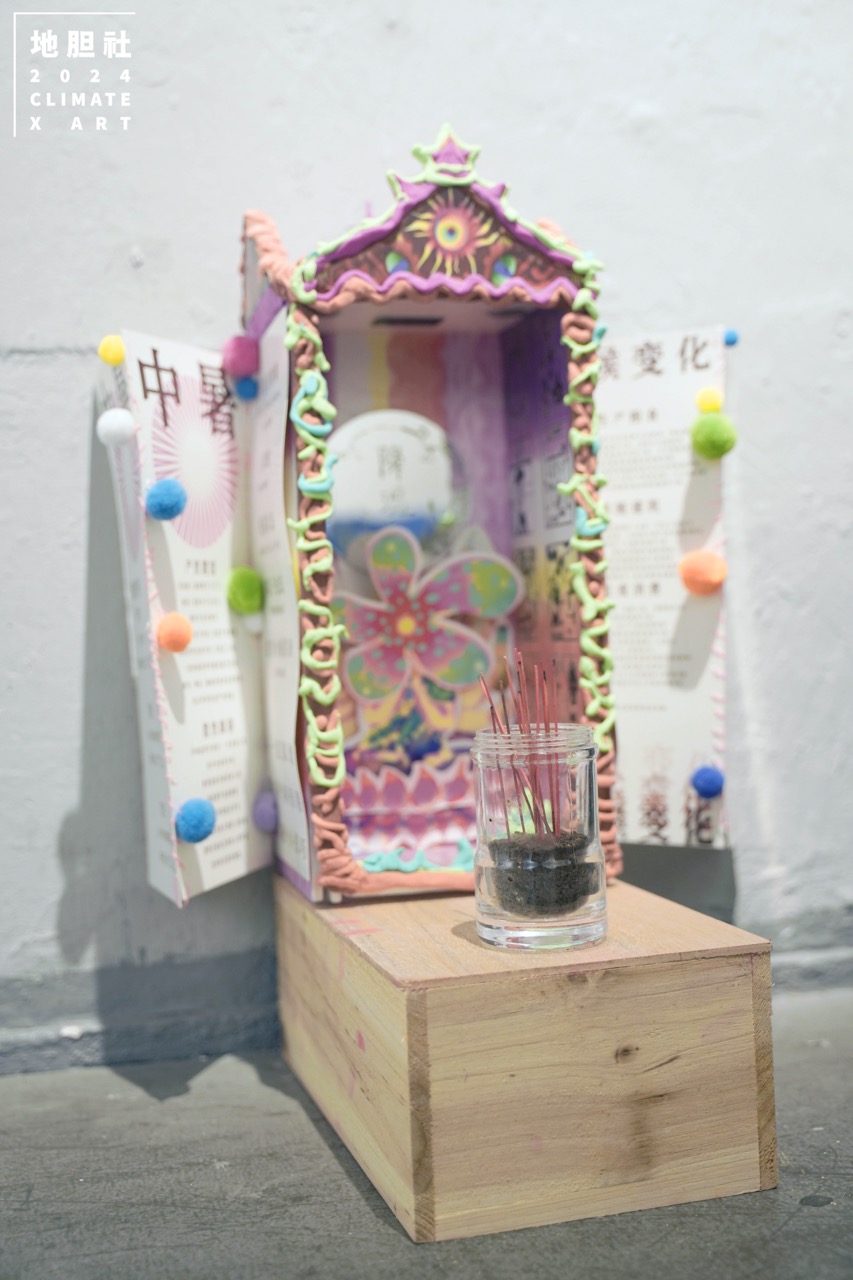
Through declining fruit harvests, reverence for unseen forces, light-water interplay, hidden urban corners, intergenerational memories of Dongting Lake, and energy flow formulas, climate change takes on a face we can’t ignore – its impact is profound and undeniable. Participatory art, in its subtlety, helps us envision what data alone cannot: the human story of a boiling planet.

Duration: 2024.9.28-10.27

Venue: Art Gallery, 2nd Floor, Jingzili Complex I, Liwan District, Guangzhou, China

Curators: Dani Wang, Rui Bai

Curation Team: Xinyao Fu, Ming Chiu, Peizhen Lin

Artists: Atong, Ziyan Chen, Tintin, Amos Yi Huang, Lao Hei, Nianqi Zhang

Art Advisor: Sipei Lu

Organizer: imPACKED

Partners: Hamony Community Foundation, paper and fun, Jingzili Cultural and Creative Community

Selected exhibited works
Scroll to Top